
Is Texas Actually More Affordable? Here’s What the Numbers Really Say
When people talk about moving to Texas—especially places like Austin—“affordable” is almost always part of the conversation. It’s become one of those things everyone just assumes is true.
But when you actually look at the numbers, it’s a little more nuanced than that.
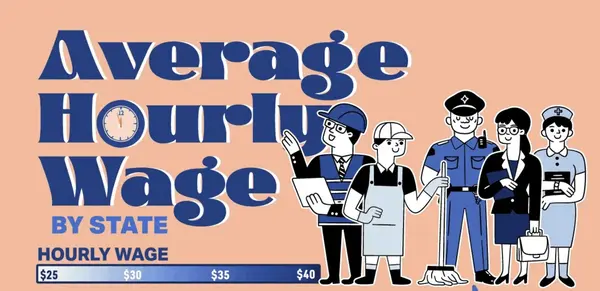
Based on national wage data, Texas sits just below the U.S. average in terms of hourly earnings. At first glance, that might make it seem like Texas is falling behind higher-paying states like California or Washington. And if you only looked at income, you might even start to question whether moving here—or staying here—makes financial sense.
But income by itself doesn’t tell the full story. What really matters is what life costs after that paycheck hits your account.
In many of those higher-wage states, the extra income comes with equally high expectations. Housing alone can eat up a huge portion of what people earn, and that’s before factoring in taxes, daily expenses, and the general cost of living. It’s not uncommon for families to make more on paper, but feel like they’re constantly trying to keep up.
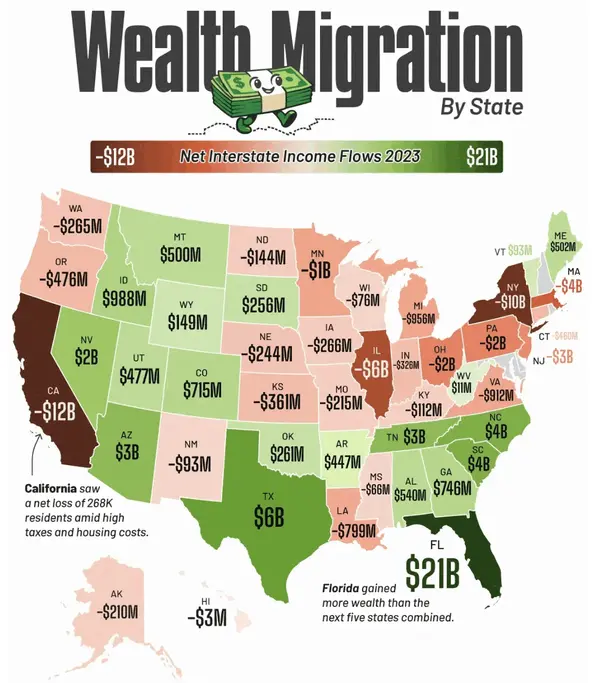
Texas operates a little differently. Even in a fast-growing city like Austin, where prices have climbed in recent years, the overall balance between income and expenses tends to feel more manageable. There’s no state income tax, housing is still relatively accessible compared to coastal markets, and for many families, there’s simply more breathing room month to month.
That difference—between what you earn and what you actually get to keep—is where Texas really stands out.
For people relocating from out of state, that shift can feel immediate. The same budget often stretches further. The same income can support a larger home, or allow for upgrades that might have felt out of reach somewhere else. And over time, that flexibility can make a meaningful difference in how a family plans, saves, and lives.
None of this means Texas is the cheapest option or that it hasn’t changed. It has, especially in places like Austin. But compared to many of the country’s highest-paying—and highest-cost—markets, it still offers something that’s getting harder to find:
A sense that your money is working with you, not against you.Recent Posts






GET MORE INFORMATION
