What Wage Trends Tell Us About Home Prices in Texas
When people try to make sense of home prices—why they rise, where they’re headed, and whether now is the right time to buy—they usually focus on things like interest rates or inventory. Those matter, of course. But there’s another factor quietly shaping the market in the background: Wages.
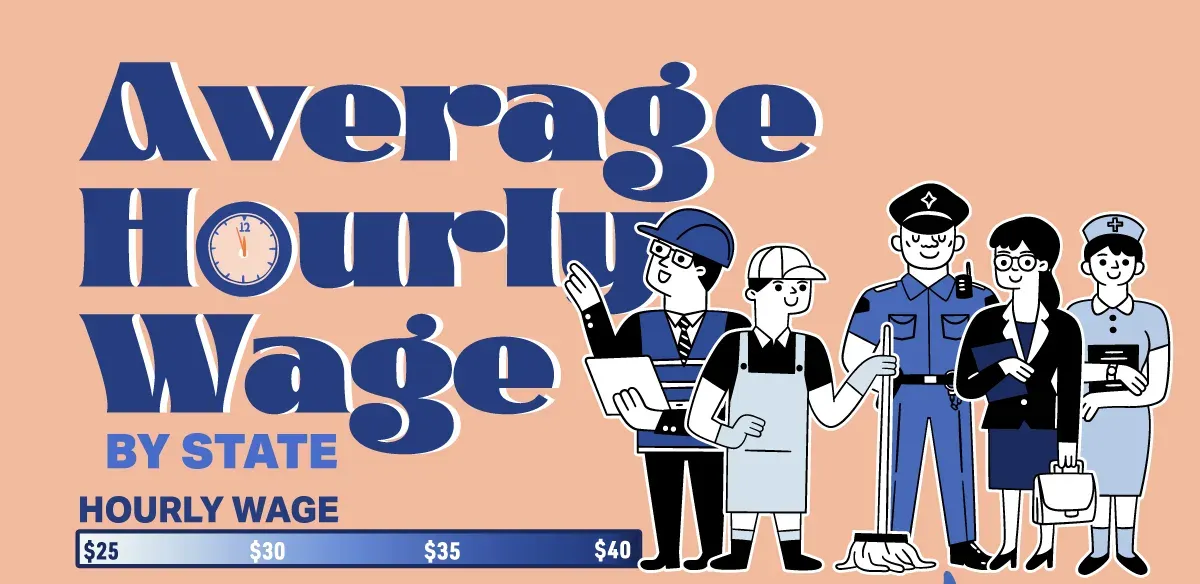
At a basic level, wages determine what people can afford. They influence how much buyers are willing to spend, how competitive a market becomes, and how sustainable price growth is over time. Looking at national data, Texas sits somewhere in the middle range when it comes to average hourly earnings . It’s not pushing the top end, but it’s not struggling either.
That positioning plays an important role in how the housing market behaves. In some of the highest-wage states, rapid income growth can fuel equally rapid increases in home prices. That can create strong appreciation in the short term, but it also introduces volatility. When prices rise too quickly relative to broader affordability, markets can become harder to sustain.
Texas tends to follow a different pattern. Because wages are more moderate—and because the overall cost of living is more balanced—price growth often feels steadier. Demand is still strong, especially in cities like Austin where population growth continues to drive activity, but it’s supported by a broader base of buyers who can realistically participate in the market.
For homeowners, that kind of environment can be reassuring. It suggests a market that isn’t just driven by extremes, but by consistent demand and long-term viability. As more people move to Texas and bring their incomes with them, that demand continues to reinforce home values without relying entirely on sharp spikes or unsustainable trends.
Of course, no market is perfectly predictable. Austin, in particular, has seen moments of rapid growth that reflect just how much attention the area has received. But even with those fluctuations, the underlying fundamentals—steady wages, population growth, and relative affordability—continue to support the bigger picture.
For buyers and homeowners alike, understanding that relationship between wages and housing can offer a clearer perspective. Because home prices don’t move in isolation. They’re tied to what people can earn, what they can afford, and where they choose to live.
And in Texas, that balance has been one of the key drivers behind the market’s strength.
Recent Posts





GET MORE INFORMATION