Texas vs. High-Income States: Where Does Your Money Actually Go Further?
It’s easy to assume that higher income automatically means a better financial situation. If you’re earning more per hour, things should feel easier, right?
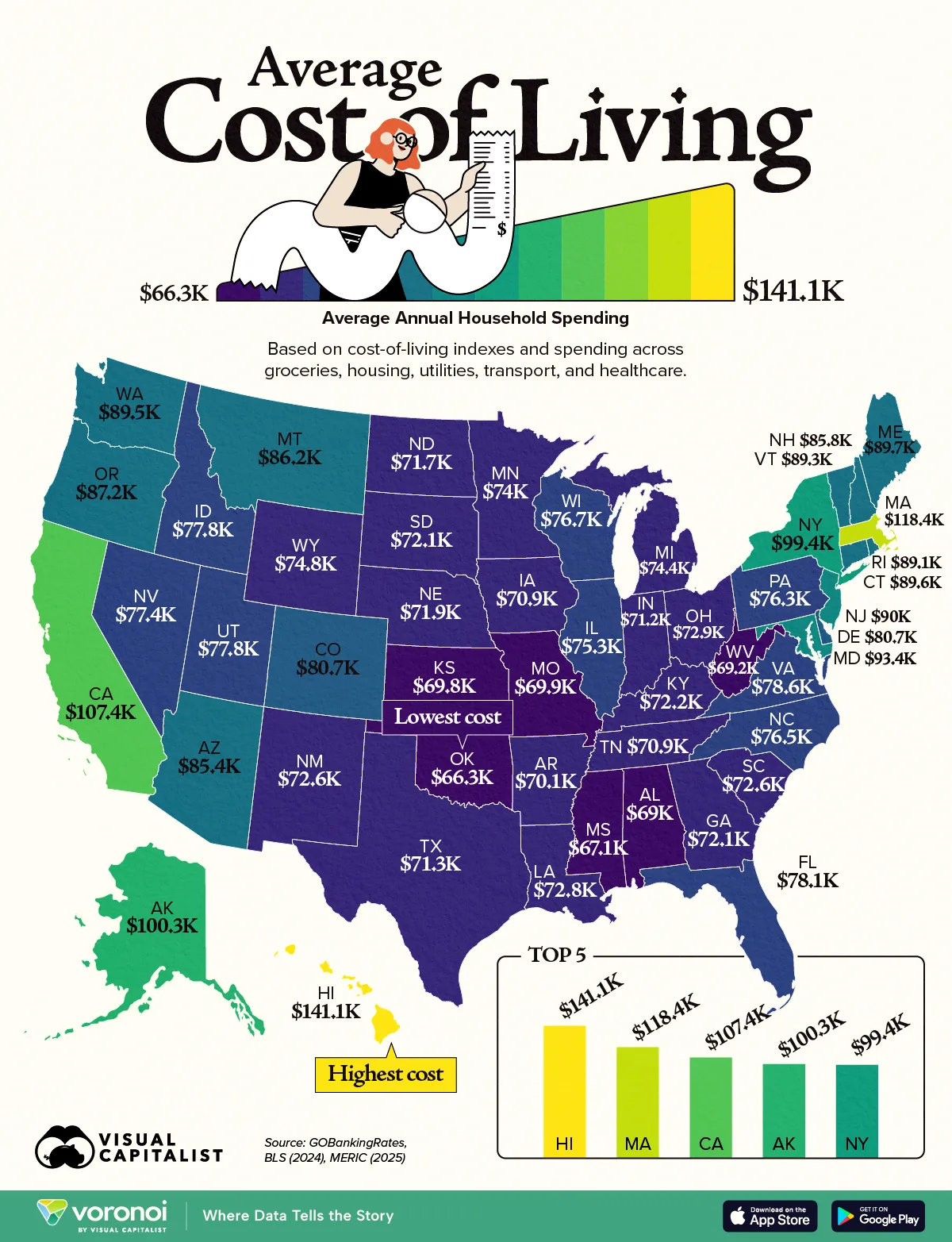
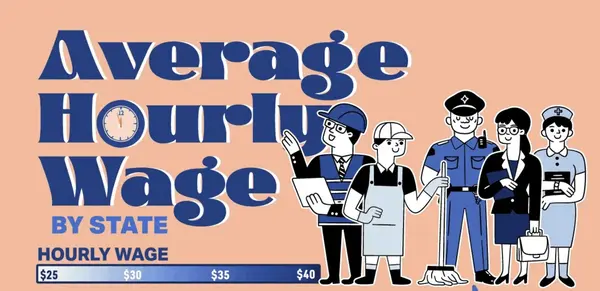
On paper, that logic checks out. States like California, Washington, and Massachusetts consistently report higher average wages than Texas . For anyone comparing options, it’s tempting to look at those numbers and think the path forward is obvious. But income is only one side of the equation.
The real question—the one that tends to matter more over time—is what that income actually allows you to do. In many high-wage states, the cost of keeping up with daily life rises just as quickly as earnings. Housing is often the biggest factor. A larger paycheck doesn’t necessarily translate into a larger home, or even a more comfortable one. In fact, many families find themselves downsizing in space while spending more each month just to maintain their lifestyle.
And it doesn’t stop at housing. Taxes, services, and everyday expenses tend to follow the same pattern. The result is a financial environment where earning more doesn’t always feel like getting ahead—it can feel like maintaining position. Texas presents a different kind of balance.
Even with wages that sit closer to the national average, the overall cost structure allows that income to stretch further. For homeowners, that often shows up in ways that are easy to overlook until you compare directly: more square footage, more flexibility in monthly budgeting, and more options when it comes to improving or personalizing a home.
In a city like Austin, where prices have risen alongside demand, that gap has narrowed somewhat. But for many buyers—especially those coming from coastal markets—the difference is still noticeable. The same budget can still open more doors here than it might elsewhere.
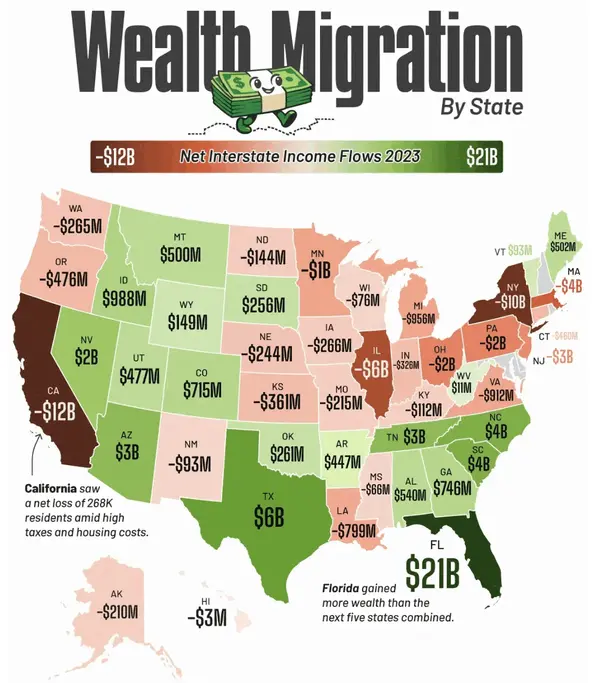
Over time, that difference compounds. It affects how people save, how they invest in their homes, and how much room they have to adapt to changes without feeling financially stretched. So while higher wages can look appealing at first glance, they don’t always tell the full story.
Because ultimately, it’s not about how much you earn—it’s about how far it actually takes you. And for a lot of families, Texas continues to offer a version of that equation that simply works better.
Recent Posts






GET MORE INFORMATION