Why the Future of Home-Buying Just Got a Big Boost: 3‑D Printed Homes in Texas
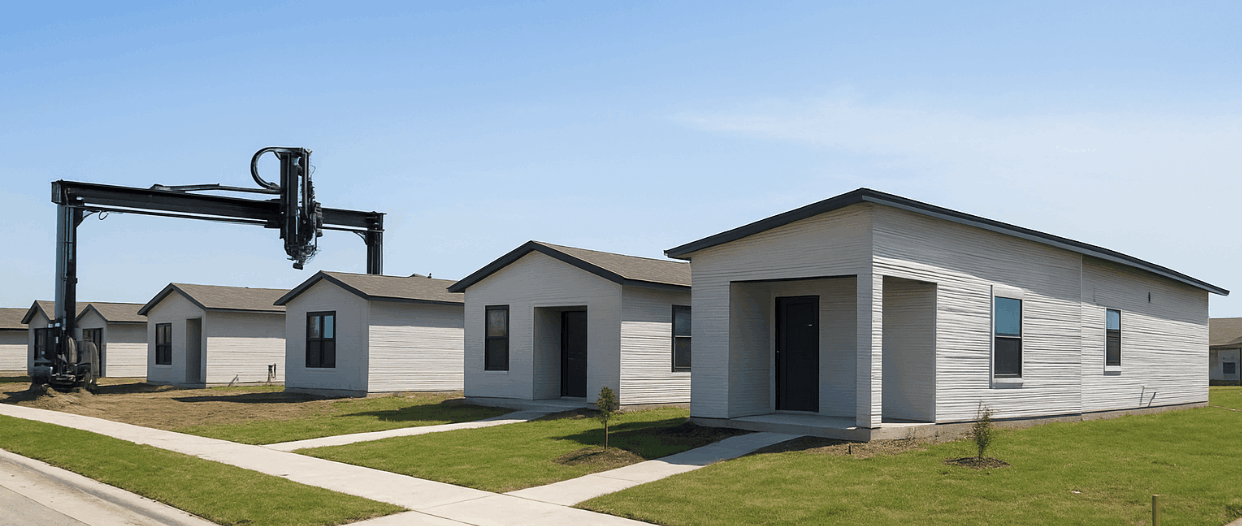
If you’ve been keeping an eye on housing trends, there’s a story unfolding in Texas that’s worth your attention. In Wolf Ranch, just outside Austin, a collaboration between ICON and Lennar has created the world’s largest 3‑D printed neighborhood. And for anyone in real estate—buyers, investors, or agents—this isn’t just a cool tech demonstration. It’s a glimpse at where home-building is headed and what that could mean for your next move.
So, what makes this neighborhood special? The homes are constructed using massive 3‑D printing machines that layer concrete and other specialized materials to form the structure of each house. This approach promises speed and efficiency, potentially lowering costs compared to traditional construction. The homes themselves are built to last, with stronger walls, better insulation, and less waste, while the first phase of the project already includes about 100 homes.
From a buyer or investor perspective, there are several interesting angles here. First, speed matters. Because these homes can be printed and assembled faster than conventional builds, buyers could move in sooner, and investors could see quicker turnover. Then there’s value: while these aren’t bargain homes, advanced construction methods may mean lower maintenance costs, fewer structural issues, and better energy performance over time.
Resilience is another selling point. These homes are designed to handle weather, pests, and mold better than typical builds—a feature that can make a listing more appealing in certain climates. And let’s not forget sustainability and tech appeal: modern buyers, especially Millennials and Gen Z, are drawn to homes that are eco-friendly and innovative.
Of course, new technology comes with questions. Resale value and market acceptance are still being tested—will appraisers and lenders treat these homes like traditional builds? Insurance coverage, warranties, and long-term material performance are all worth exploring. Even with advanced construction, location remains critical, so the usual factors like schools, transportation, and amenities can’t be ignored.
For strategy, here’s how this could play out: Buyers who value speed, resilience, and modern construction may find these homes attractive—but thorough research is still key. Investors might see an edge in offering “next-gen” homes to a niche market. Sellers with innovative builds or properties boasting durability and sustainability features should highlight those in marketing to capture buyer interest.
At the end of the day, Wolf Ranch’s 3‑D printed homes are more than a novelty—they’re a sign that the housing industry is evolving. For real-estate clients, this opens doors to new opportunities: faster builds, durable materials, and sustainable design. But even in the face of innovation, the basics of due diligence—location, financing, inspections—remain essential.
If you’d like, I can put together a buyer’s checklist specifically for 3‑D printed or advanced-construction homes tailored to the Austin market.
Recent Posts





GET MORE INFORMATION