Battling the Chill: What Austin Learned from the Recent Winter Storms
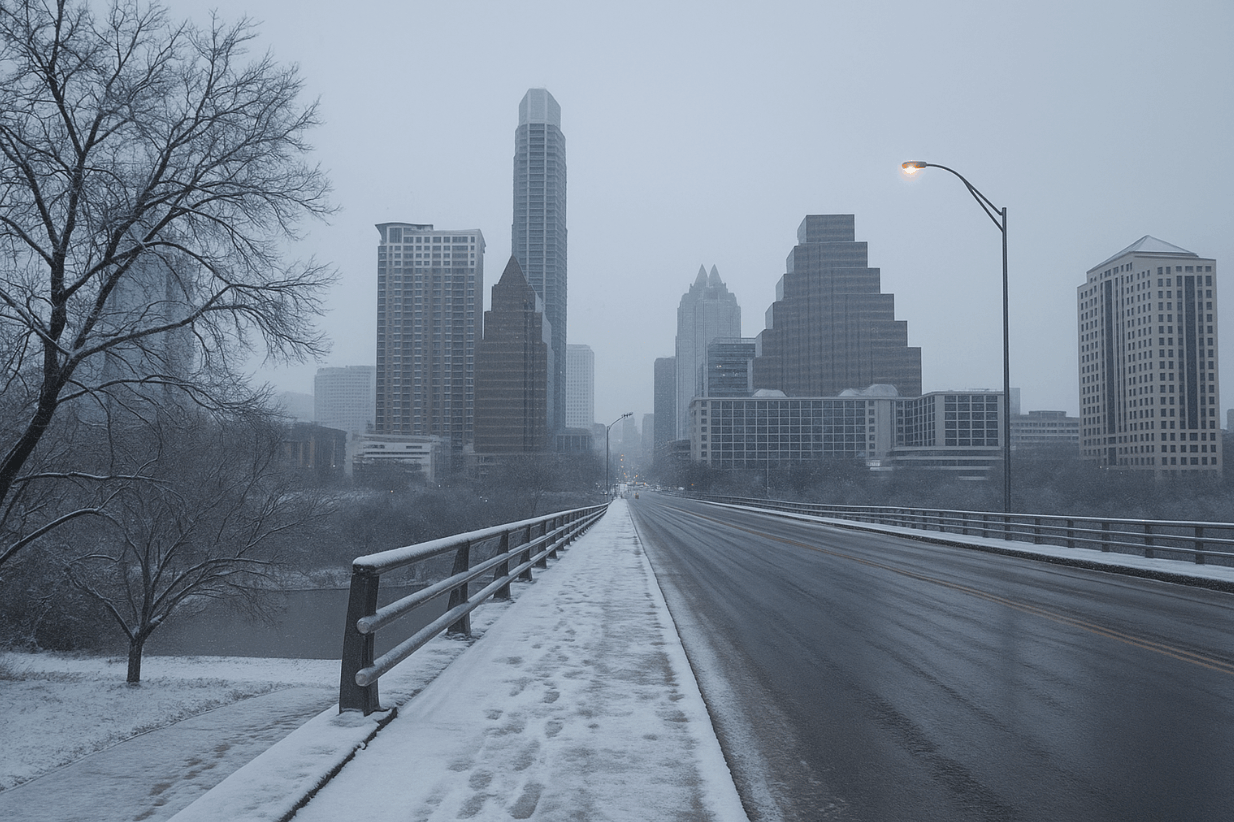
Austin isn’t exactly known for harsh winter weather. But earlier this year, the city found itself grappling with a series of unusually cold, icy, and snowy days that tested not just its roads and infrastructure, but also the resilience of its residents.
It all started in mid-January 2025, when an Arctic air mass swept into Central Texas. Forecasts called for up to two inches of snow and sleet, along with freezing rain — a combination that immediately raised concerns about road safety. With the storm hitting late Monday night into Tuesday, commuters faced a particularly dangerous morning, as bridges and overpasses are notoriously slick during icy conditions.
By morning, Austin had woken to a winter scene many locals rarely experience: half an inch of snow dusting sidewalks, roads slick with ice, and gusts of wind reaching 40 mph. The wind chill made it feel closer to 10 degrees, putting people, pets, and even plants at risk. For a city unaccustomed to prolonged freezing weather, the conditions were more than uncomfortable — they were dangerous.
The freeze also put Austin’s infrastructure to the test. Officials advised residents to drip faucets to prevent pipes from freezing or bursting, while the Electric Reliability Council of Texas (ERCOT) kept a close eye on the grid. Despite the extra demand, ERCOT reported that conditions remained “normal,” highlighting how well the system held up under pressure. At the same time, the city opened overnight cold weather shelters for anyone in need of warmth. More than 500 people took refuge, a sobering reminder of how vulnerable some residents can be during extreme weather.
The human toll was real. City reports noted dozens of cold-exposure calls, and tragically, two people died in the Austin area during the storm. Roads, fortunately, remained largely passable, but officials still warned drivers to take care, especially on bridges and overpasses coated in freezing drizzle.
Looking back, this rare winter blast offered several important lessons for Austin. Emergency preparation proved critical, with shelters and city response plans helping those most at risk. Infrastructure resilience — from water systems to the electrical grid — was put to the test, underscoring the need for planning ahead. And community response mattered, too: checking in on neighbors, especially the elderly or vulnerable, could literally be a life-or-death act.
Austin may never become a winter wonderland, but these storms served as a stark reminder that cold snaps, however rare, demand respect. As climate patterns shift, what was once a “once-in-a-decade” event may become more frequent — and the lessons from this winter will guide the city for years to come.
Recent Posts





GET MORE INFORMATION